
British horse racing is an integral part of the country’s heritage and culture, deeply ingrained in the social fabric and sporting scene. However, the sport faces significant challenges due to various circumstances that can lead to races not taking place. Whether it’s due to bad weather, public health issues, or other unforeseen circumstances, the consequences of British horse racing not being on can have far-reaching effects. Not only does it impact bettors and horse owners, but it also affects many communities that thrive on the revenues generated by race days. For instance, events like the Grand National or Royal Ascot attract thousands of spectators and contribute significantly towards local economies. You can explore more about community involvement in equestrian sports through resources like British horse racing not on GamStop merseysidepolicemounted.uk.
When considering British horse racing not taking place, one must examine the immediate economic implications. Betting is a huge component of horse racing, generating millions annually for bookmakers and the economy at large. According to various financial reports, the betting turnover for major race days can reach hundreds of millions of pounds. When races are canceled or postponed, the financial loss isn’t just limited to bookmakers; local vendors, restaurants, hotels, and transportation services also suffer significant downturns. Many of these businesses rely heavily on the influx of visitors that race days bring, making the absence of such events a matter of financial survival for some.
Moreover, the economic impact of canceled races extends to the horse racing industry itself. Racecourses depend on ticket sales, sponsorships, and broadcast rights, all of which plummet when events are not held. The repercussions are widespread; trainers, grooms, and other support staff faced with fewer opportunities may find themselves in unstable employment situations. Additionally, the horses themselves require consistent racing schedules to maintain their health and form, which adds another layer of complexity when events are not running.
Beyond the financial aspects, the social consequences of horse racing not occurring are equally significant. The races are often social events that bring people together, fostering a sense of community and camaraderie among attendees. The absence of these events can lead to a sense of isolation for many individuals who regularly attend races for the social interaction. People from various walks of life share their experiences, tips, and even friendships on race days. This community connection can be lost when the events are not operational, affecting not only those who love horse racing but also community spirit as a whole.
Furthermore, the cultural significance of British horse racing cannot be understated. The sport is embedded in British history and identity, with roots stretching back centuries. Major races serve as cultural spectacles that showcase tradition, fashion, and sportsmanship. Events such as Ladies Day at Ascot are not only about the races themselves but also about the social tradition and pageantry surrounding them. The elements of glamor, excitement, and friendly competition embody an essential aspect of British culture that faces a void when racing is not taking place.
During recent global events, especially during the COVID-19 pandemic, many sport-related activities, including British horse racing, faced unprecedented cancellations. These situations served as a harsh reminder of how fragile these cultural dynamics can be. With strict lockdown measures in place, racecourses had to shut their gates, leading to an increased reliance on digital platforms for betting and engagement. This transition demonstrated the adaptability of the industry but also highlighted a significant loss of shared physical experiences for fans.
As the racing industry slowly adjusted to new norms post-pandemic, some lessons were learned. It became clear that the vitality of British horse racing is not solely dependent on its economic output but also on its ability to bring people together. These realizations underline the fact that races not taking place represent more than just canceled events; they signify a loss of community and cultural heritage.

Looking forward, what can be done to support and sustain the British horse racing industry when faced with challenges that lead to races not being on? Some suggested measures include diversifying revenue streams, investing more in digital platforms, and finding innovative ways to engage audiences during off times. Encouraging participation in equestrian activities at the grassroots level can also strengthen community ties and foster loyalty among local fans.
Educational initiatives that raise awareness regarding responsible betting and the importance of supporti
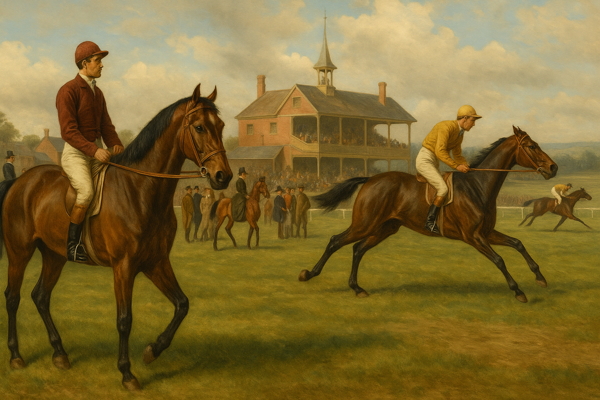
ng local equestrian events can strengthen the overall enthusiasm for the sport. Collaborations between the industry and local communities can pave the way for resilience in the face of adversity.
In conclusion, British horse racing is much more than a series of events that occur at racetracks. Its absence has profound implications on the economy, community connections, and cultural identity. Understanding these aspects allows fans, stakeholders, and policymakers to appreciate the sport’s importance and work towards its preservation even in challenging times. As we look to the future, let us remember the significance of races not only as an economic driver but also as a vital part of British culture and community life.